

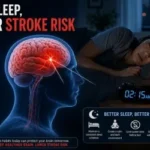




Many people think that sleeping seven or eight hours means they are fully rested.. Sleep quality is often more important than the number of hours in bed. If you wake up times at night find it hard to fall asleep again or feel exhausted even after a long night chronic stress may be disturbing your bodys natural sleep cycle. At Jain Healthcare Network specialists regularly assess patients whose sleep has been affected by physical, emotional or work-related stress. People who seek Stress and Sleep Issues Treatment in Gurgaon often find that finding the root cause of sleep is the first step toward lasting recovery.
Can Stress Cause Night Awakenings?
Chronic stress triggers the bodys fight-or-flight response raising levels of cortisol and adrenaline. These stress hormones keep the brain alert cut sleep and raise the chance of waking many times during the night. When you stay in bed for eight hours fragmented sleep can leave you tired, mentally drained and unrefreshed in the morning.
How Stress Changes the Way Your Brain Sleeps
Healthy sleep moves through repeating cycles of light sleep deep non-rapid eye movement (NREM) sleep and rapid eye movement (REM) sleep. Deep sleep lets the body repair tissues, balance hormones strengthen immunity and restore energy while REM sleep helps memory, emotional balance and learning.
When stress stays high the hypothalamic-pituitary-adrenal (HPA) axis stays active. Of letting cortisol fall at night the body keeps producing stress hormones that keep the nervous system partly alert. This makes the brain more sensitive to noises, body movements, temperature changes or racing thoughts. As a result sleep becomes lighter interruptions happen often and the body spends less time in the restorative stages.
Research from sleep medicine groups consistently shows that chronic psychological stress links to lower sleep efficiency, more nighttime awakenings and a higher risk of developing insomnia.
Common Signs That Stress Is Affecting Your Sleep
Stress-related sleep disruption is often subtler than sleeplessness. Many people fall asleep easily. Wake up many times at night without knowing why.
Common symptoms include:
- Waking times every night
- Difficulty returning to sleep
- Racing thoughts before or during the night
- Feeling tired despite hours of sleep
- Morning headaches or brain fog
- Reduced concentration and memory
- Irritability and low mood
- Daytime fatigue and poor work performance
If these symptoms last for several weeks they should not be ignored.
Is It Stress or Could Another Sleep Disorder Be Responsible?
Although stress is a leading cause of sleep it is not always the only reason. Similar symptoms can appear in people with sleep apnea, chronic insomnia, restless legs syndrome, circadian rhythm disorders, anxiety disorders or depression.
For example a person may think stress causes repeated awakenings while the real problem is interrupted breathing during sleep. People who snore loudly wake gasping for air or feel extreme daytime sleepiness may benefit from a sleep apnea test in Gurgaon to see whether an underlying sleep disorder is harming sleep quality.
How Doctors Diagnose Stress-Related Sleep Problems
Effective treatment starts by finding out why sleep is being disturbed. Of giving medication right away sleep specialists usually carry out a thorough evaluation that can include:
- A detailed medical and sleep history
- Assessment of work, lifestyle and emotional stress
- Sleep diary and sleep quality questionnaires
- Screening for anxiety or depression when needed
- Overnight sleep study (Polysomnography) if another sleep disorder is suspected
This thorough approach helps separate stress-related sleep disruption, from medical sleep disorders that need different treatment plans.
What Happens If You Ignore Poor-Quality Sleep?
Many people learn to live with sleep thinking it is simply part of a stressful life. Unfortunately persistent sleep disruption can affect every body system.
Long-term poor-quality sleep has been linked to:
- Reduced attention and memory
- Increased anxiety and exhaustion
- Higher blood pressure
- Weakened immune function
- Poor glucose control
- Lower workplace productivity
- Greater risk of burnout
- Reduced overall quality of life
Fixing sleep problems early can lower the chance of developing stronger physical and mental health issues later on.
Treatment Options That Support Better Sleep
I have found that improving sleep requires treating the underlying cause of simply covering up symptoms. Many people benefit from keeping a sleep schedule turning off screens in the evening limiting caffeine later in the day exercising regularly and practising relaxation techniques that are supported by evidence.
When symptoms persist after making lifestyle changes behavioural sleep therapy, psychological support and stress-management strategies may be suggested. If tests reveal sleep apnea or another breathing-related sleep disorder treatment such as CPAP therapy in Gurgaon can improve sleep continuity, oxygen levels and alertness during the day.
Myth vs Fact
Myth: Sleeping for eight hours always means you are getting sleep.
Fact: If stress keeps breaking up your sleep cycles you may lie in bed enough but still miss out on enough deep and REM sleep. Sleep quality—not how long you sleep—matters for body recovery and brain function.
When Should You See a Sleep Specialist?
Professional evaluation is recommended if you:
- Wake times every night for more than three weeks.
- Feel persistently tired despite sleeping hours.
- Experience loud snoring or witnessed breathing pauses.
- Notice reduced concentration, memory or work performance.
- Find that poor sleep is affecting your mood, health or daily activities.
Early assessment can show if stress alone is the cause or if another treatable sleep disorder exists.
Contact Jain Healthcare Network in Sector 56 Gurgaon for expert evaluation and evidence-based care, for stress-related sleep disorders and insomnia.